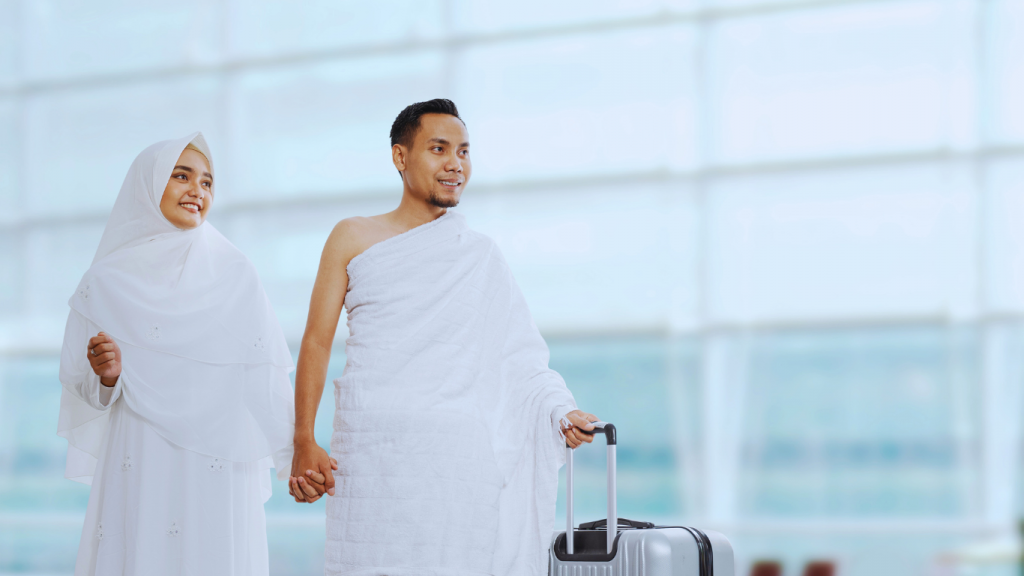
Hajj
Overview of Hajj
What is Hajj?
Hajj is an act of worship where Muslims perform a series of rituals including entering the state of Ihram, circumambulating the Kaaba, running between Safa and Marwa, standing on the plains of Arafat, and more. These rituals symbolize the acts of the Prophet Ibrahim (Abraham) and his family. Performing Hajj is one of the Five Pillars of Islam, making it a mandatory religious duty for Muslims who are physically and financially able to undertake the journey at least once in their lifetime.
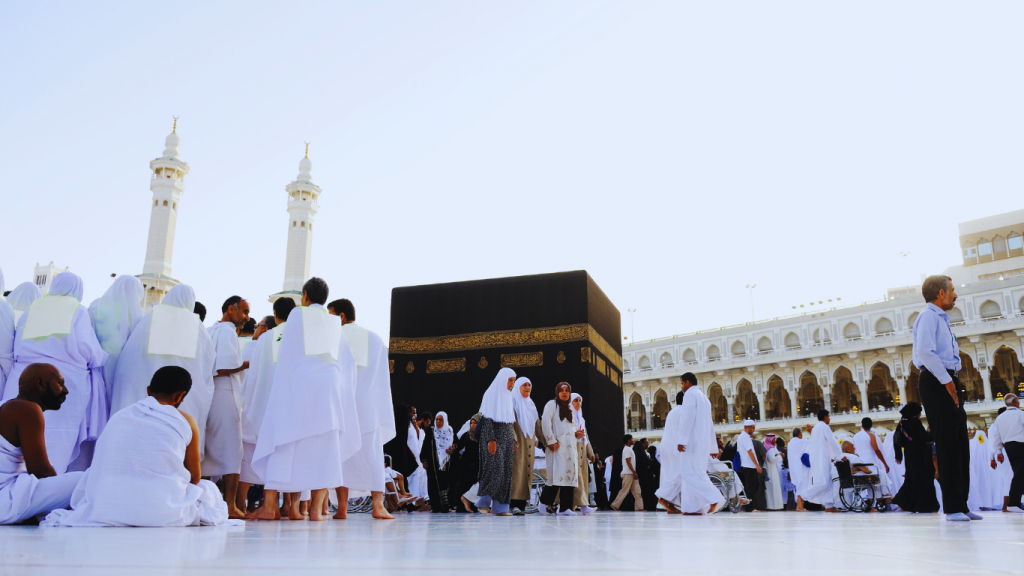
How do I Enter into the State of Ihram?
A Muslim enters into the state of Ihram at the place specified by Sharia and must abstain from Ihram prohibitions. They recite Talbiyah, saying:
“Labbayka Allaahumma Labbayk, Labbayka La Shareeka Laka Labbayk. Innal Hamda Wan-ni’mata Laka Wal-Mulk, La Shareeka Lak.” (Here I am at Your service, O Allah, at Your service! At Your service! You have no partner! I am at Your service! Indeed, all praise and grace belong to You, and so does the supreme authority. You have no partner).
What are the main rituals of Hajj?
The main rituals of Hajj include:
- Ihram: Entering a state of spiritual purity and wearing special white garments.
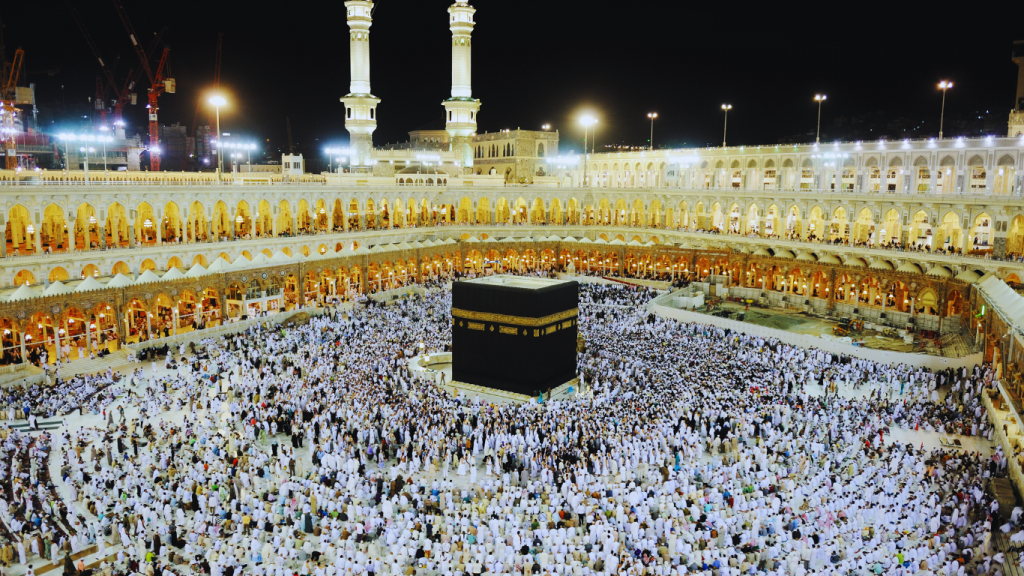
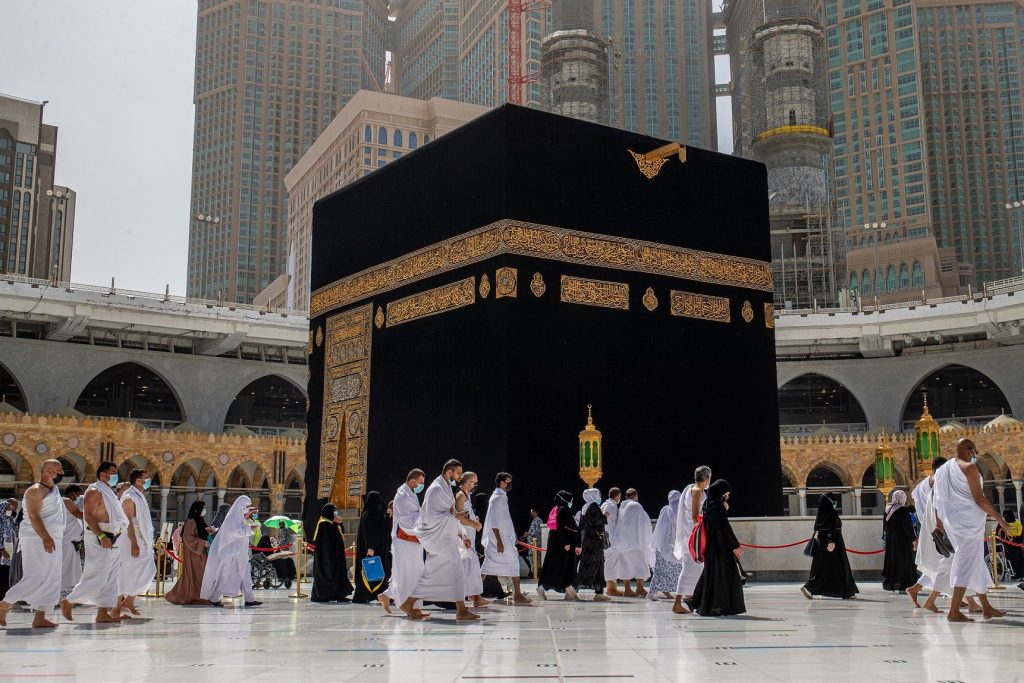
- Tawaf: Circling the Kaaba seven times counterclockwise.
- Sa’i: Walking seven times between the hills of Safa and Marwa.
- Day of Arafat: Standing in prayer and reflection at the plain of Arafat.
- Muzdalifah: Collecting pebbles and spending the night under the open sky.
- Rami al-Jamarat: Throwing pebbles at the three pillars in Mina, symbolizing the rejection of Satan.
- Animal Sacrifice: Participating in or arranging the sacrifice of an animal during Eid al-Adha.
- Tawaf al-Ifadah: Performing another Tawaf after returning to Mecca.
- Tawaf al-Wada: Performing a farewell Tawaf before leaving Mecca.
What is Sa'i and why is it performed?
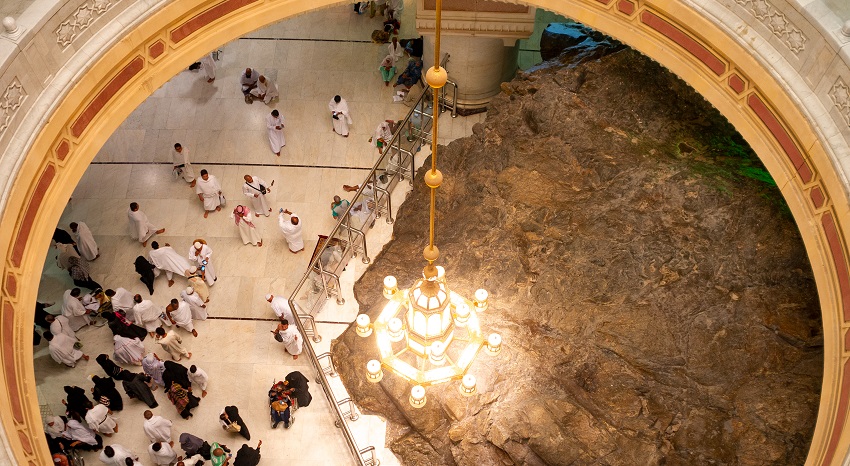
Sa’i is a significant ritual performed during both Hajj and Umrah, consisting of walking seven times between the hills of Safa and Marwa. These two hills are located within the Masjid al-Haram in Mecca, near the Kaaba. The ritual commemorates the story of Hajar (Hagar), the wife of Prophet Ibrahim (Abraham), and her desperate search for water for her infant son Ishmael.
The story behind Sa’i is one of faith, perseverance, and divine intervention. When Prophet Ibrahim, following Allah’s command, left Hajar and Ishmael in the barren desert of Mecca, Hajar ran back and forth between Safa and Marwa seven times in a desperate effort to find water. Despite the apparent hopelessness of her situation, Hajar’s faith and determination were unwavering. Her persistence was rewarded when the Angel Jibril (Gabriel) appeared and caused the Zamzam Well to spring forth, providing a miraculous source of water.
Sa’i symbolizes several profound spiritual themes for Muslims. Firstly, it represents perseverance and the human effort in the face of adversity. Hajar’s relentless search teaches the importance of striving and not giving up, even when circumstances seem dire. Secondly, it underscores the concept of trust in Allah’s provision and mercy. Hajar’s story is a testament to the belief that Allah is always aware of His servants’ needs and provides for them in ways they might not expect.
During Sa’i, pilgrims reflect on Hajar’s experience and their own journey of faith. The physical act of walking between the hills serves as a powerful reminder of Hajar’s trials and the ultimate reward of her perseverance and faith. By performing Sa’i, pilgrims connect with this historical and spiritual narrative, reinforcing their own trust in Allah and commitment to enduring in their faith and practices.
In essence, Sa’i is not merely a physical exercise but a deeply symbolic act that highlights key aspects of Islamic faith, including perseverance, faith in divine provision, and the importance of steadfastness in the face of life’s challenges.
How do I Enter into the State of Ihram?
A Muslim enters into the state of Ihram at the place specified by Sharia and must abstain from Ihram prohibitions. They recite Talbiyah, saying:
“Labbayka Allaahumma Labbayk, Labbayka La Shareeka Laka Labbayk. Innal Hamda Wan-ni’mata Laka Wal-Mulk, La Shareeka Lak.” (Here I am at Your service, O Allah, at Your service! At Your service! You have no partner! I am at Your service! Indeed, all praise and grace belong to You, and so does the supreme authority. You have no partner).
Hajj: The Pilgrimage to Mecca
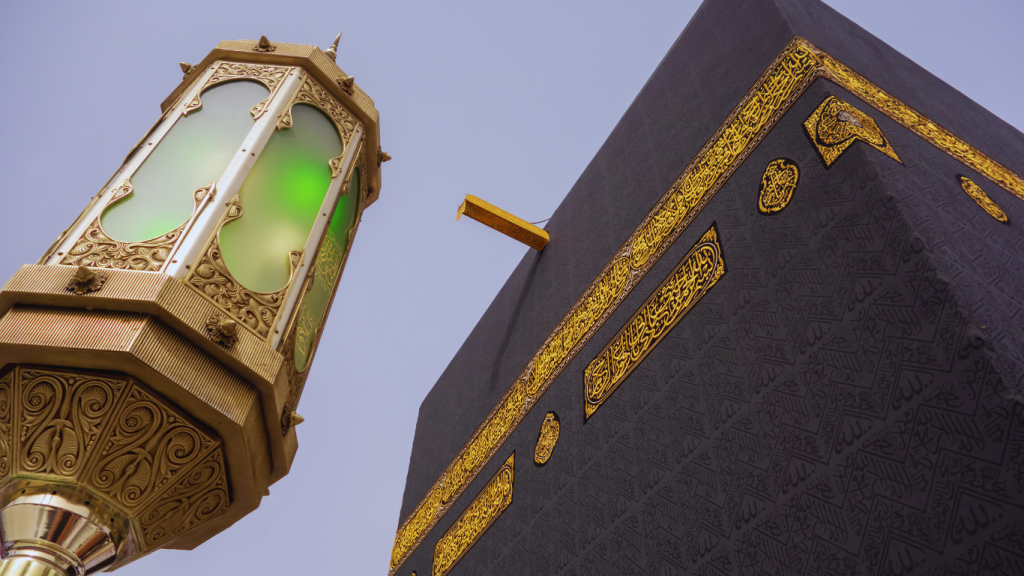
Hajj is the annual Islamic pilgrimage to the holy city of Mecca, a fundamental pillar of Islam that every adult Muslim who is physically and financially able must undertake at least once in their lifetime. It is a profound spiritual journey that follows the footsteps of Prophet Ibrahim (Abraham), his wife Hajar (Hagar), and their son Isma’il (Ishmael), commemorating their devotion, sacrifice, and submission to Allah’s commands.
During Hajj, pilgrims from around the world converge upon Mecca to perform a series of rituals over a span of several days, typically during the Islamic month of Dhu al-Hijjah. These rituals include wearing the simple white garments of Ihram, circumambulating the Kaaba in Tawaf, running between the hills of Safa and Marwa in Sa’i, standing in the plain of Arafat for the Day of Arafah, spending the night in Muzdalifah, stoning the pillars representing Satan in Mina, and concluding with the ritual animal sacrifice on Eid al-Adha.
The Hajj experience is a profound spiritual journey that emphasizes the unity of the Muslim ummah (community) and the equality of all believers before Allah. It serves as a reminder of the transient nature of life, the importance of repentance and forgiveness, and the principles of compassion, generosity, and solidarity with the less fortunate. Hajj holds immense significance in Islam, providing pilgrims with an opportunity for spiritual cleansing, renewal, and a deeper connection with Allah and His teachings.