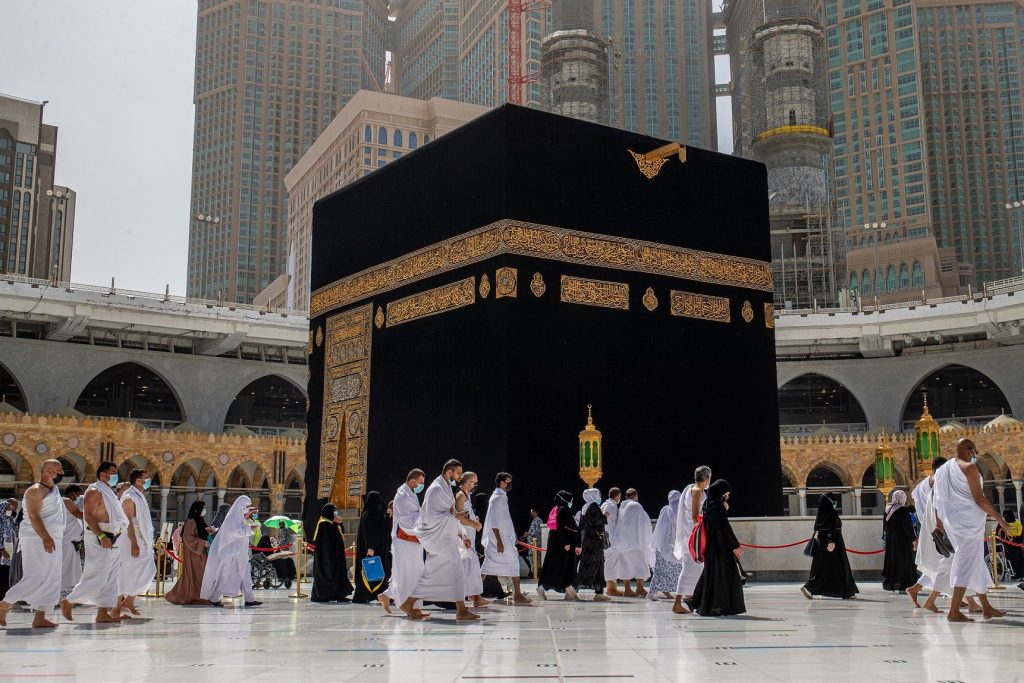
Madina: The City of the Prophet
Medina: The City of the Prophet
Medina, also known as Al-Madinah Al-Munawwarah (the Radiant City), holds profound significance in Islam as the city where the Prophet Muhammad migrated and spent the latter part of his life. It is the second holiest city in Islam after Makkah and is revered by Muslims worldwide for its historical, spiritual, and cultural importance.
Historical Background
Medina’s history dates back over 1,400 years when the Prophet Muhammad, along with his companions, migrated from Makkah in 622 CE. This migration, known as the Hijra, marked the beginning of the Islamic calendar and established Medina as the center of the growing Muslim community. The city served as a haven of peace and religious tolerance, where Muslims could practice their faith freely.
Significant Sites in Medina
Masjid al-Nabawi: The Prophet’s Mosque
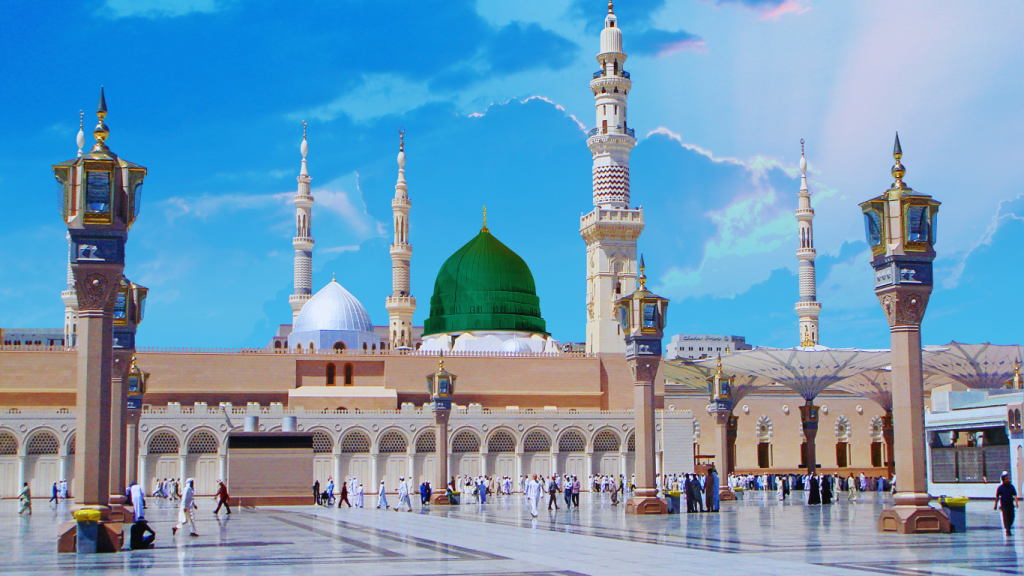
Masjid al-Nabawi, or the Prophet’s Mosque, is the second holiest mosque in Islam and the focal point of Medina. It was originally built by the Prophet Muhammad himself and has since undergone several expansions to accommodate the increasing number of worshippers. The Green Dome marks the location of the Prophet’s tomb, and the mosque is a place of continuous prayer and reflection for Muslims.
Raudah: The Garden of Paradise
Raudah, located within Masjid al-Nabawi, is believed to be a part of Paradise on Earth. It is a green carpeted area between the Prophet’s pulpit (minbar) and his house, where prayers are said to be especially efficacious. Pilgrims visit Raudah to offer prayers and seek blessings, believing that supplications made here are granted by Allah.
Quba Mosque: The First Mosque in Islam
Quba Mosque is the first mosque ever built by the Prophet Muhammad upon his arrival in Medina. It holds special significance and is visited by pilgrims seeking blessings. The Prophet Muhammad would often visit Quba Mosque every Saturday, emphasizing its importance in Islamic tradition.
Uhud Mountain: Site of a Historic Battle
Uhud Mountain, located on the outskirts of Medina, was the site of the Battle of Uhud in 625 CE. This battle, fought between the early Muslim community and the Quraysh tribe of Makkah, holds significant historical and spiritual importance. The mountain is visited by pilgrims and serves as a reminder of the sacrifices made by early Muslims for the sake of Islam.
Medina’s Cultural and Spiritual Significance
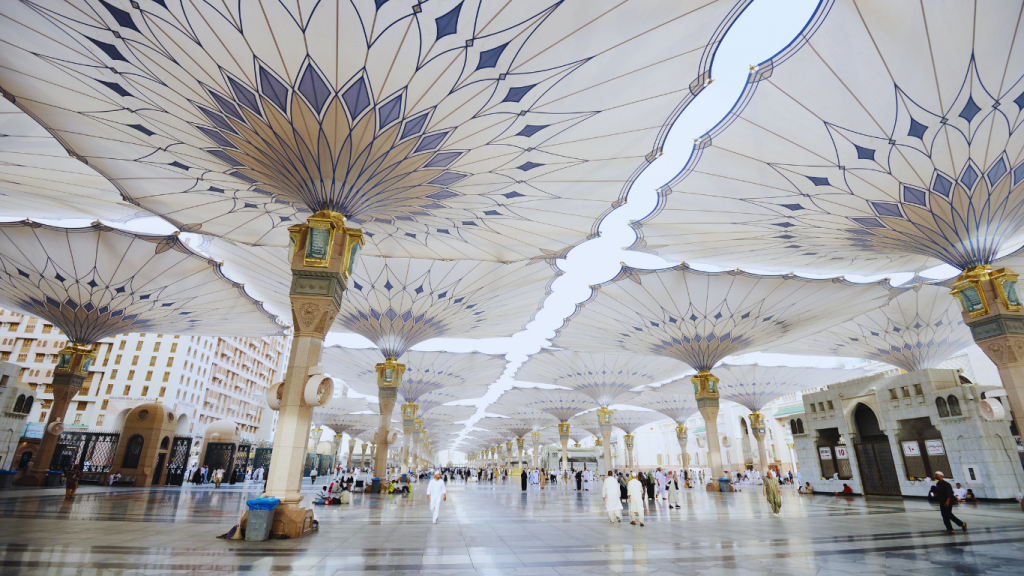
Medina is not only a place of historical importance but also a center of cultural and spiritual enrichment for Muslims. The city’s vibrant markets (souqs), traditional architecture, and hospitable atmosphere provide visitors with a glimpse into the rich cultural heritage of Saudi Arabia.
Pilgrimage to Medina
While not obligatory like Hajj, visiting Medina holds great spiritual merit for Muslims. Many undertake a pilgrimage to Medina to perform Umrah and visit the Prophet’s Mosque. The experience of standing in the presence of the Prophet’s tomb and offering prayers in his mosque is deeply moving for believers, fostering a profound sense of connection to Islamic history and teachings.
Medina Today
Today, Medina continues to be a place of pilgrimage, scholarly learning, and spiritual enlightenment. The city has modernized while preserving its historical and religious heritage. Efforts are made to maintain the sanctity of its religious sites and accommodate the growing number of pilgrims from around the world.