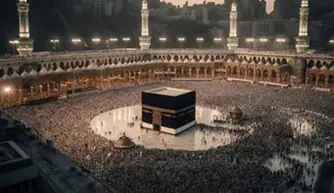
Makkah: The Holiest City in Islam
Makkah: The Holiest City in Islam
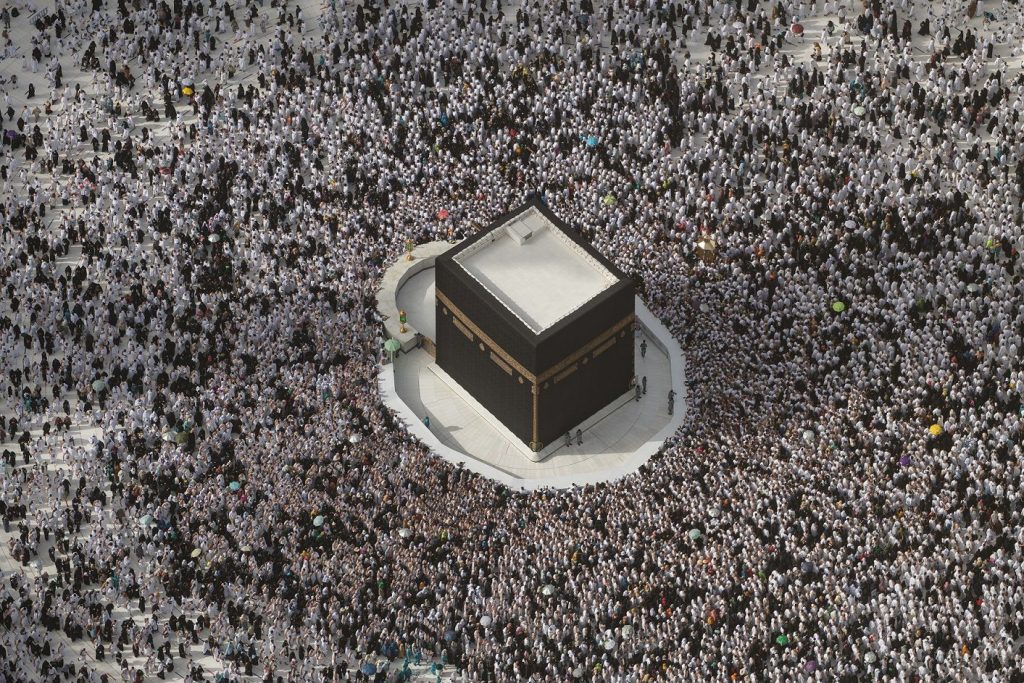
Makkah, the holiest city in Islam, holds profound significance for Muslims around the world. It is home to the Kaaba, the sacred cube-shaped structure located within the Masjid al-Haram (The Grand Mosque). The Kaaba is the focal point of Islamic worship, and all Muslims face its direction during their daily prayers.
The Heart of Islamic Pilgrimage
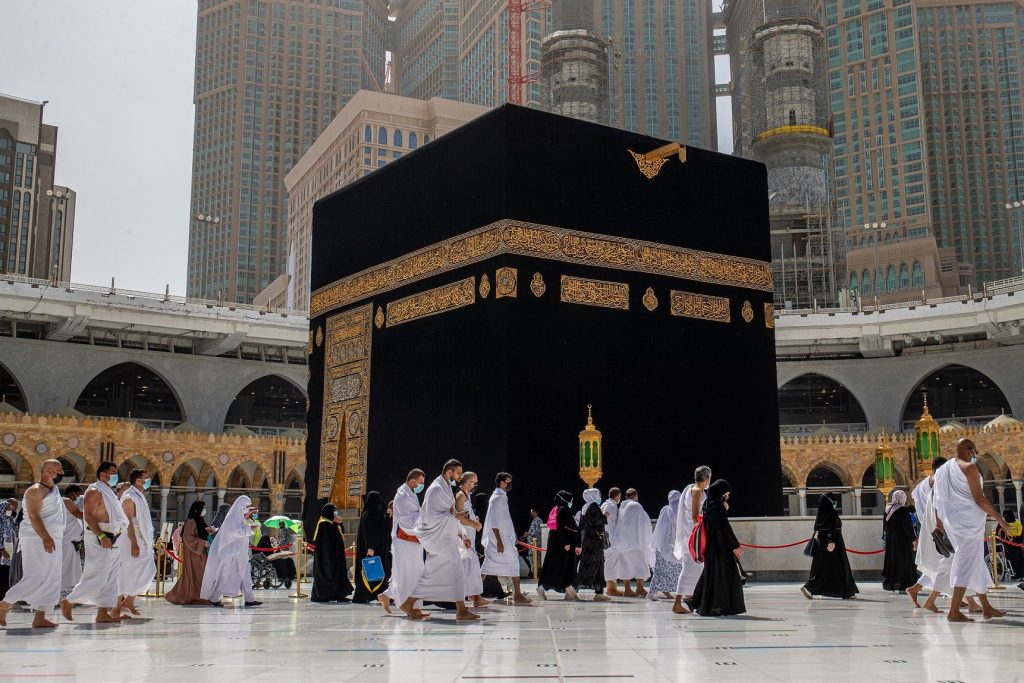
Every year, millions of Muslims embark on a pilgrimage to Makkah, fulfilling one of the Five Pillars of Islam: the Hajj. This annual pilgrimage is a deeply spiritual journey, where pilgrims perform a series of rituals that trace the steps of the Prophet Ibrahim (Abraham) and his family. These rituals include the Tawaf, where pilgrims circumambulate the Kaaba seven times, and the Sa’i, walking between the hills of Safa and Marwah.
The Significance of Umrah
Beyond Hajj, many Muslims visit Makkah for Umrah, a pilgrimage that can be undertaken at any time of the year. While not obligatory like Hajj, Umrah holds great spiritual merit and involves similar rituals.
The Birthplace of the Prophet Muhammad
Makkah is also significant as the birthplace of the Prophet Muhammad, the founder of Islam. The city’s rich history and its role as the spiritual center of the Islamic world make it a place of deep reverence and devotion.
A Journey of Spiritual Connection
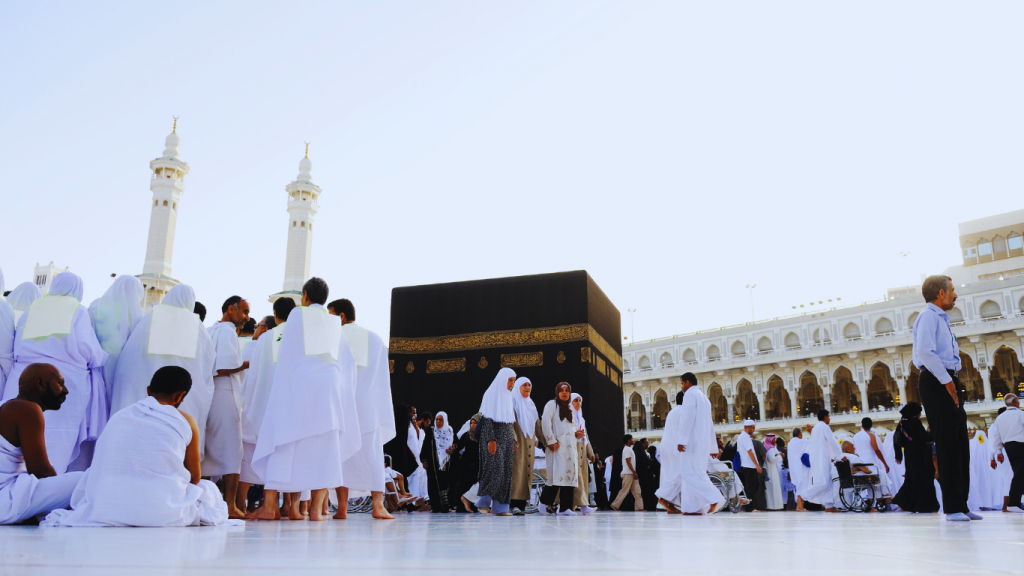
Visiting Makkah offers a profound sense of connection to the Islamic faith, as pilgrims from diverse backgrounds come together in a shared expression of devotion, unity, and peace. The experience of standing in the presence of the Kaaba and performing the sacred rites is transformative, leaving an indelible mark on the hearts of believers.
Pilgrims often describe a sense of overwhelming peace and spiritual elevation upon seeing the Kaaba for the first time. The sight of millions of Muslims, dressed in simple white garments known as Ihram, performing the Tawaf in unison is a powerful symbol of equality and unity in Islam. This collective act of worship emphasizes the core Islamic principle that all believers are equal in the eyes of Allah, regardless of their race, nationality, or social status.
The journey to Makkah also includes moments of deep personal reflection and prayer. In the sacred environment of the Masjid al-Haram, pilgrims have the opportunity to seek forgiveness, make supplications, and strengthen their relationship with Allah. Many find solace in the rhythmic recitation of the Quran and the continuous flow of prayers that echo through the mosque.
Moreover, the spiritual connection extends beyond the physical rituals. Pilgrims often form lifelong bonds with fellow Muslims from around the world. These connections foster a sense of global Muslim community, where experiences and stories are shared, creating a network of support and friendship that transcends geographical boundaries.
The Sacred Significance of the Kaaba
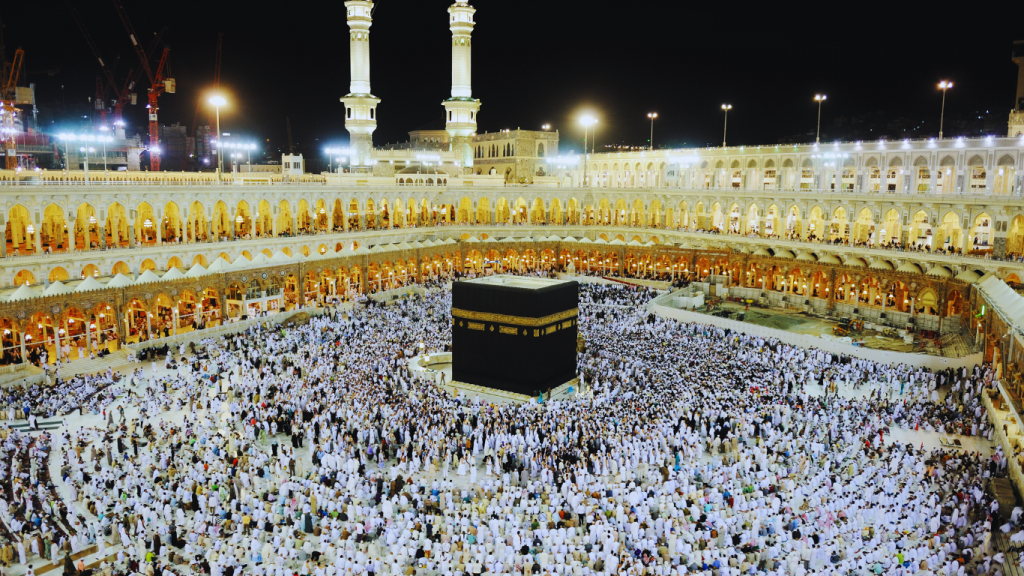
The Kaaba, located in the heart of Masjid al-Haram, is the most sacred site in Islam. It is believed to have been built by the Prophet Ibrahim (Abraham) and his son Ismail (Ishmael) as a house of monotheistic worship. Muslims around the world face the Kaaba during their daily prayers, symbolizing the unity and direction of their faith. The black stone embedded in one corner of the Kaaba is especially revered, and pilgrims strive to kiss or touch it during Tawaf, the ritual circumambulation of the Kaaba.
The Rituals of Hajj: A Journey Through History
Hajj, one of the Five Pillars of Islam, is a mandatory act of worship for all Muslims who are physically and financially able to undertake it at least once in their lifetime. The pilgrimage involves several key rituals, including standing on the plains of Arafat in deep prayer, spending the night in Muzdalifah, and participating in the symbolic stoning of the devil at Mina. These rites commemorate the trials and faith of the Prophet Ibrahim and his family, serving as powerful reminders of submission to Allah.
Safa and Marwah: Hills of Faith
The hills of Safa and Marwah are located within Masjid al-Haram and are integral to the Sa’i ritual, which involves walking seven times between these two hills. This ritual commemorates Hagar’s desperate search for water for her son Ismail and is a significant act of devotion and faith for pilgrims.
Mina: The Tent City
Mina, also known as the “Tent City,” is a valley located approximately 8 kilometers east of Makkah. During Hajj, millions of pilgrims stay in Mina in a vast array of tents. Mina is the site of the symbolic Stoning of the Devil, where pilgrims throw pebbles at three pillars, reenacting the Prophet Ibrahim’s defiance of Satan.
Mount Arafat: The Mount of Mercy
Mount Arafat, or Jabal al-Rahmah, is a granite hill east of Makkah. Standing on the plains of Arafat on the 9th day of Dhu al-Hijjah is the climax of Hajj. Pilgrims spend the day in prayer and reflection, seeking forgiveness and making supplications. This act commemorates the Prophet Muhammad’s Farewell Sermon.
Jannat al-Mu’alla: The Sacred Cemetery
Jannat al-Mu’alla is the main cemetery in Makkah and holds immense historical and spiritual significance. This sacred burial ground is the final resting place of many of the Prophet Muhammad’s close relatives and companions, making it a revered site for pilgrims and visitors.
Historical Significance
Jannat al-Mu’alla, also known as the “Heavenly Cemetery,” dates back to the early days of Islam. It is the burial site of several prominent figures in Islamic history, including the Prophet’s first wife, Khadijah bint Khuwaylid, who played a crucial role in supporting him during the early years of his prophethood. The Prophet’s grandfather, Abdul Muttalib, and his uncle, Abu Talib, are also buried here. These individuals were instrumental in the early protection and spread of Islam.
A Place of Reflection
Visiting Jannat al-Mu’alla offers pilgrims an opportunity to reflect on the sacrifices and dedication of those who were closest to the Prophet Muhammad. It serves as a reminder of the early struggles and perseverance that helped establish the foundations of Islam. Pilgrims often spend time in quiet contemplation and prayer, seeking to draw inspiration from the lives of those interred here.
Paying Respects
For many pilgrims, paying respects at Jannat al-Mu’alla is an integral part of their spiritual journey. The act of visiting the gravesites of the Prophet’s family and companions fosters a deeper connection to Islamic history and heritage. It is a humbling experience that encourages gratitude and reverence for the contributions of these early Muslims.